
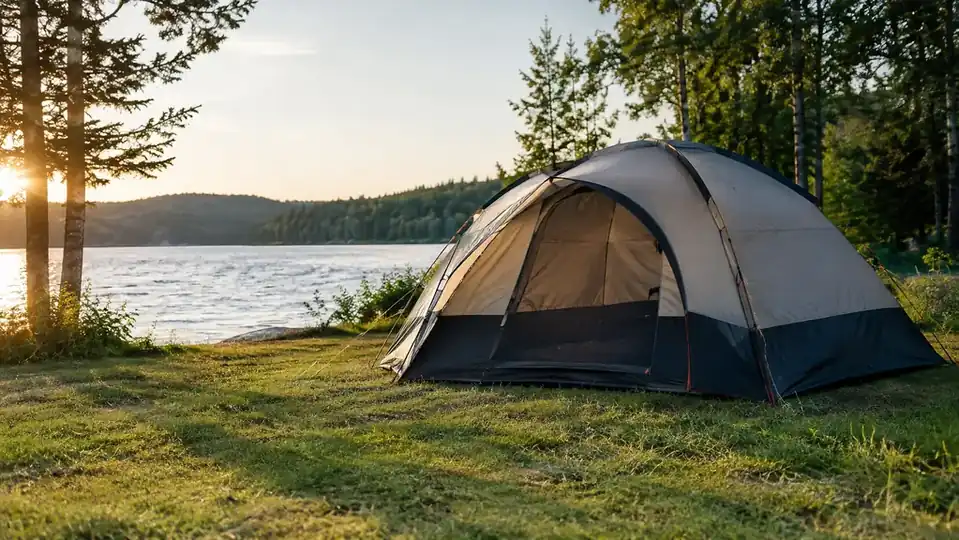
I spent 30 years working in HVAC, which means I spent 30 years looking at things that were supposed to keep people comfortable and figuring out why they weren't. So when my wife Marla and I started camping again after I retired, I brought that same habit to every piece of gear we bought. The Coleman Sundome was the first tent we picked up, and after a full season of using it at Clinton Lake, Perry Lake, and a week in Colorado, I have opinions. Some of them are the same ones you'll read in every review. Some of them are the things nobody tells you.
This is the honest version. I'm not going to tell you the Sundome is the last tent you'll ever need, because it isn't. I'm going to tell you what it does well, what it does poorly, and whether I'd buy it again. If you're looking for a first tent or a budget tent for car camping, this should help you decide.
The Quick Verdict
The Coleman Sundome is a solid, affordable car camping tent that does exactly what it promises, as long as you understand its limits. It's not a storm shelter and it's not a backpacking tent. It's a dependable weekend shelter that sets up fast and keeps you dry in normal rain.
Amazon Check Today's Price →A dependable dome tent that sets up in about 10 minutes
If you want a straightforward car camping tent that won't break the bank, the Coleman Sundome is worth a look. Check today's price on Amazon and see if it fits your camping style.
Amazon Check Today's Price on Amazon →How I've Used It
Marla and I bought the 6-person Sundome in the spring. We car camp out of our 2014 Tacoma with a bed cap, so we have room to carry a tent that's bigger than we strictly need. We chose the 6-person because Marla sleeps cold and likes space, and because our grown kids sometimes join us for a night or two. I picked it up in early April, before the Kansas spring storms settled down. The first trip was the second weekend of April at Clinton Lake, and I nearly sent it back that first night. More on that in a minute.
Over the past season, we've used it at Clinton Lake and Perry Lake in Kansas, at Lake of the Ozarks in Missouri, and for a week in Colorado. That's maybe 18 nights total. We've had warm nights, cool nights, one night of steady rain, and one evening where the wind picked up enough that I checked the stakes twice. The first real test was the last weekend of May at Perry Lake, when the forecast said scattered showers and we got a steady drizzle from about 9 PM until 3 AM.
I set it up myself the first time, and it took me about 12 minutes. Marla and I can do it in about 8 now. The poles are color coded, which sounds like a small thing but matters more than you'd think when you're setting up in the dark. The first time I set it up in the driveway, I didn't read the instructions. The second time, with Marla handing me poles, we had it standing in 8. On a dark night at Perry Lake, with headlamps, we did it in about 10.
That first night at Clinton Lake, I made a beginner mistake. I didn't stake down the guy lines, because the sky was clear and the tent seemed solid. Around midnight, a gust of wind came off the lake and flattened one side of the tent. Nothing broke, but it scared Marla enough that she wanted to pack up and go home. I re-staked everything, added the guy lines, and we made it through the night. That's the lesson I keep coming back to with this tent: it's not the tent that fails in wind, it's the setup. Once I learned to use every stake and every guy line, the Sundome has never let us down in a breeze.
What Nobody Tells You About the Coleman Sundome
The first thing nobody tells you is that the Sundome is a fair weather tent that happens to have a rainfly. The rainfly covers the top, but the bottom half of the tent walls are still just the tent body. In steady rain, that's fine. In wind-driven rain, you'll get some moisture on the lower walls. We learned this on a night at Perry Lake when the wind shifted and rain came in sideways. The floor stayed dry and the beds stayed dry, but the lower corners of the tent were damp in the morning. The rainfly on the 6-person comes down maybe two-thirds of the way. The bottom third is single-wall fabric, and that's where the dampness shows up. I hung the tent over the picnic table the next day to dry it out.
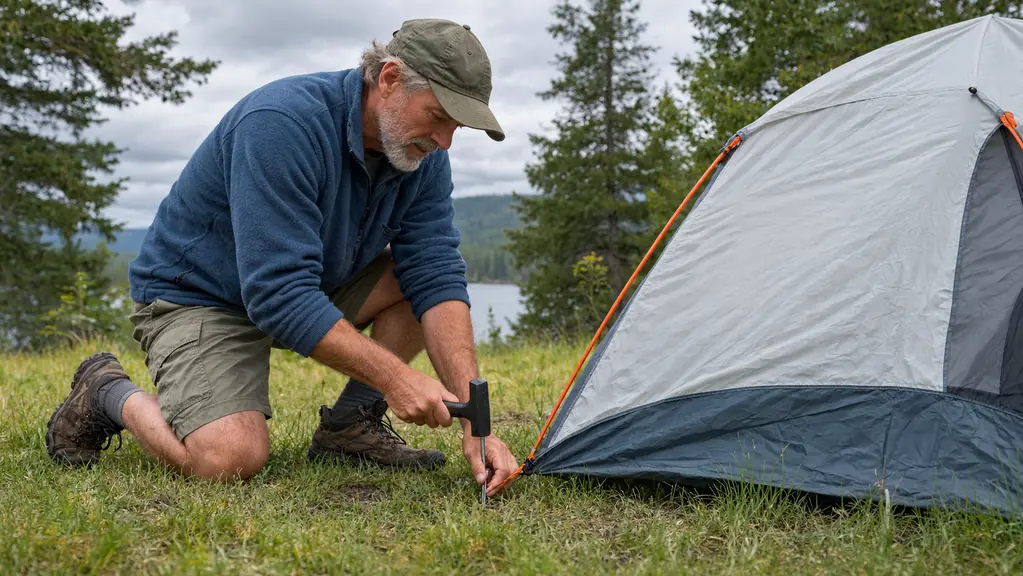
The second thing nobody tells you is that the included stakes are not great. They're thin metal pins, about the thickness of a coat hanger wire, and they bend easily in hard ground. Two of them bent the first time I drove them in at Clinton Lake. I replaced them with heavier aluminum stakes after the second trip, and I use every one of the guy lines now. That one change made more difference than anything else I did to this tent.
The third thing is about the door. The Sundome has one door, and it's a D-shaped opening that's fine for getting in and out, but it's not great for moving gear in and out. If you're used to a tent with two doors or a larger opening, you'll notice the difference. The opening is maybe 4 feet tall at its highest point, so a cooler or an air mattress has to go through sideways. I learned to stage gear outside the door and hand things through to Marla. Also, with one door, the person on the far side of the mattress climbs over the other person on night trips.
The Sundome is a fair weather tent that happens to have a rainfly. In wind-driven rain, you'll get some moisture on the lower walls.
What the Coleman Sundome Does Well
Let me be fair. The Sundome does a lot of things right, especially for the money. The setup is genuinely easy. The poles are color coded, the sleeves are smooth, and the whole thing goes together without any guesswork. I've set up tents that required reading the instructions twice. This one doesn't. On our last trip to Lake of the Ozarks, I had it standing before Marla finished unpacking the kitchen box.
The interior space is also good for the footprint. The 6-person model has a center height of about 6 feet, which means I can stand up in it. I'm 5'11", and not having to crouch when I'm getting dressed is a bigger deal than I expected. The floor is a little over 9 feet by 9 feet, which gives us room for a queen air mattress and still leaves space for gear. There are also two storage pockets sewn into the walls, and they're deeper than they look. We keep headlamps, glasses, and the phone in them, and they stay off the floor.
Ventilation is another strong point. The Sundome has a ground vent and a window in the back, and both have covers you can adjust from inside. On warm nights, we open everything up and get decent airflow. On cool nights, we close the window and keep the ground vent cracked. The mesh is fine enough that we haven't had bug problems, even at Lake of the Ozarks in June. The ground vent is about a foot square, and the back window is maybe 18 inches across. Together they move enough air that we've only had condensation problems once, and that was a night when we closed everything up tight.
Where the Coleman Sundome Falls Short
The biggest weakness is the rainfly. It covers the top of the tent, but it doesn't reach all the way down the walls. In a normal rain, that's fine. In a storm with wind, you'll get some water on the lower walls. We had one night at Perry Lake where the rain came in sideways, and the lower corners of the tent were damp in the morning. The floor stayed dry, and the beds stayed dry, but the damp corners were enough to make me think twice about using this tent in a serious storm. The fly also doesn't cover the door at all, and I noticed a little water working its way under the door zipper that same night. If you're going to use this tent in a storm, pitch it with the door away from the wind and stake down every corner.
The included stakes are another weak point. They're thin metal pins that bend easily in hard ground. I replaced them with heavier stakes after the second trip, and I use the guy lines every time now. The single door is also a limitation. It's fine for getting in and out, but it's not great for moving gear in and out. If you're used to a tent with two doors, you'll notice the difference. The D-shaped opening is about 4 feet tall at its highest point. A cooler goes through sideways, and an air mattress has to be wrestled. We learned to hand gear through the door rather than try to carry it in.
What I Liked
- Sets up in about 10 minutes with color-coded poles, even in the dark
- Stand-up center height around 6 feet in the 6-person model
- Good ventilation with a ground vent and back window that close from inside
- Rainfly and taped seams kept the floor and beds dry in steady rain
- Roomy footprint that fits a queen air mattress with space left over
Where It Falls Short
- Rainfly stops partway down the walls, so wind-driven rain wets the lower corners
- Included stakes are thin and bent in hard Kansas ground; plan to replace them
- Only one door, and it's a tight opening for moving gear in and out
- Not built for serious storms or high wind, no matter how well you stake it
- Heavy and bulky, so it's strictly a car camping tent
How It Handled Rain, Wind, and Cold
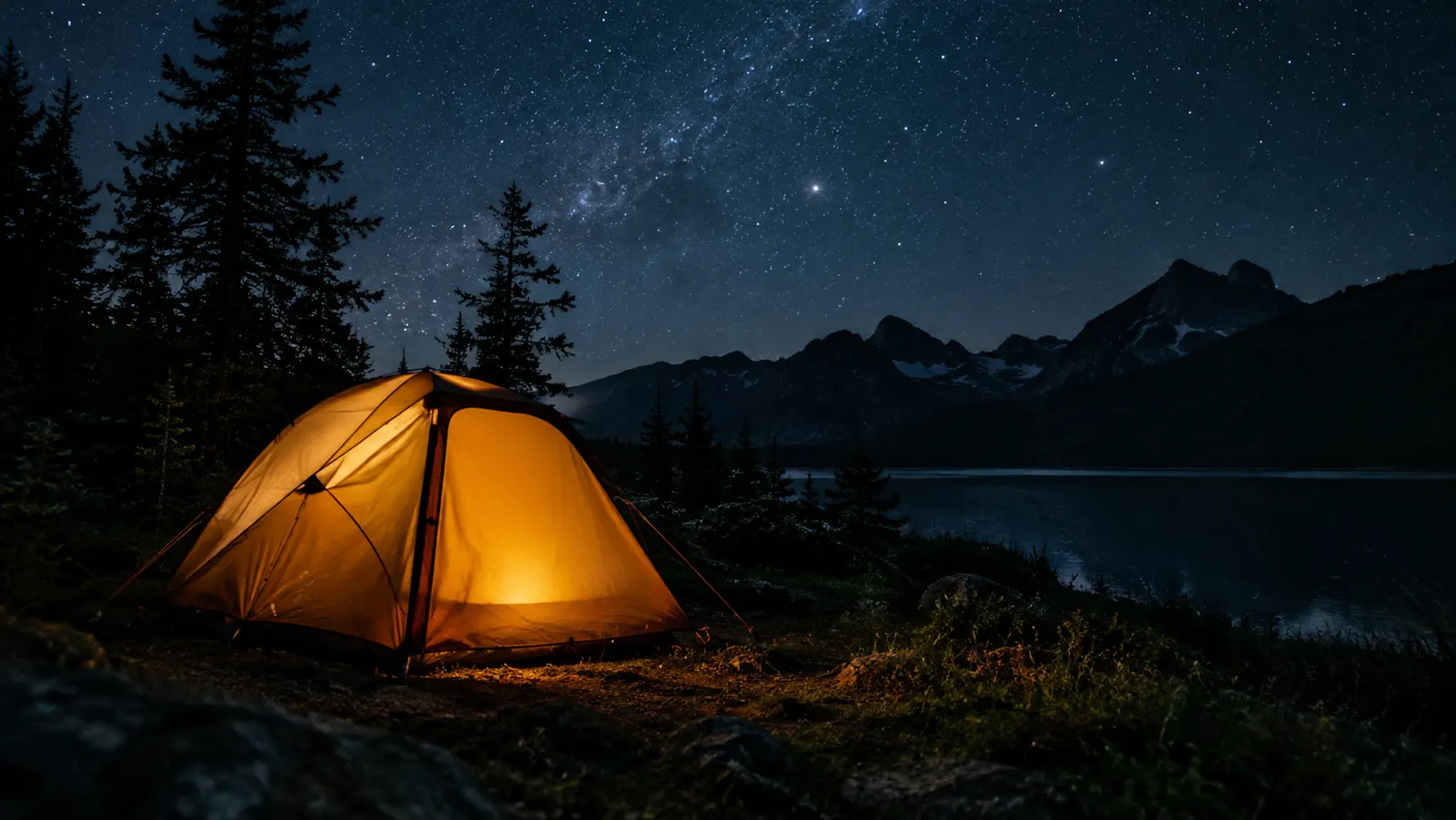
We had one night of steady rain at Lake of the Ozarks. The Sundome handled it fine. The rainfly shed water, the floor stayed dry, and the seams didn't leak. I was impressed, honestly. For a tent in this class, that's a good result. It started around 10 PM and rained until about 5 AM. I got up at 2 AM to check the corners, and they were dry. The next morning, the tent was dry on the inside, and the rainfly had beaded water the way it should.
Wind is where the Sundome shows its limits. The dome shape handles a moderate breeze without a problem, but in a strong gust, the tent walls flex and the rainfly flaps. We had one evening at Clinton Lake where the wind picked up to maybe 25 miles per hour. The tent held, but I was glad I'd replaced the stakes and used every guy line. The next morning, the tent had shifted a few inches on its footprint, and one corner stake had worked loose. Nothing broke, and nothing tore, but it told me this is not a tent I'd trust through a full night of strong wind.
Cold nights are manageable if you bring the right gear. Marla sleeps cold, so we use a good sleeping pad and a warm bag. The Sundome doesn't add much warmth, but it does block the wind, which is half the battle. On a 40-degree night in Colorado, we were comfortable with our usual setup. One thing I learned: if you close every vent to keep the warmth in, you'll wake up to condensation on the inside of the rainfly. We keep the ground vent cracked, even on cold nights, and that solved most of it.
Who This Is For
The Coleman Sundome is for people who car camp a few times a year and want a tent that's easy to set up, affordable, and dependable in normal weather. It's a great first tent. It's also a great tent for families with kids, because the setup is simple enough that older kids can help. If you're like me, retired and looking to get back into camping without a big investment, this is a sensible place to start. It's not flashy, but it works.
If you camp mostly in fair weather, or if you're willing to pick your trips around the forecast, the Sundome will serve you well. It's not a tent that will let you down in a light rain or a breezy evening. It's a tent that will let you down in a serious storm, and that's a tradeoff you should make with your eyes open.
Who Should Skip It
If you camp in places where storms come up fast, or if you need a tent that can handle serious wind and rain, the Sundome isn't the right choice. Look for a tent with a full coverage rainfly and a more robust frame. That's not a knock on the Sundome. It's an honest description of what it is. But if you're planning a week in the mountains where afternoon thunderstorms are a daily event, you want a tent whose fly reaches the ground.
If you're backpacking, skip it. The Sundome is heavy and bulky, and it's not designed to be carried on your back. It's a car camping tent, full stop.
And if you're tall, or if you like to sit up in your tent and read, the 6-person model is the one to get. The 4-person model has a lower center height, and you'll feel the difference. I'm 5'11" and the 6-person is comfortable. If you're 6'2" or taller, you'll be hunched in the middle. The 4-person is a better fit for one person or a couple who don't mind close quarters, but the center height is noticeably lower.
The bottom line on the Coleman Sundome
It's a dependable, affordable car camping tent that does exactly what it promises, as long as you understand its limits. If that sounds like your camping style, check today's price on Amazon.
Amazon Check Today's Price on Amazon →